
Discover the wonders of the Luxor Museum in Egypt with our comprehensive travel guide. Explore masterworks of ancient art, New Kingdom pharaohs, rare artifacts recovered from royal caches, and practical visitor information. Plan your unforgettable journey with Egypt X Tours today.
The Ultimate Guide to Luxor Museum:History, Logistics
The Luxor Museum stands as a masterclass in modern museum curation, offering a refined, elegant contrast to the overwhelming scale of the East and West Bank temples. Opened in 1975, this architectural gem along the Nile Corniche houses a meticulously curated collection of antiquities primarily spanning from the end of the Old Kingdom through the Mamluk period, with a special emphasis on artifacts from the Theban temples and necropolis.
Quick Facts & Executive Takeaways:
Location: Nile Corniche, downtown Luxor (East Bank), Egypt.
Opening Hours: Daily from 9:00 AM to 9:00 PM.
Standard Ticket Price: Approximately 300 EGP (approx. $10 USD) for adults.
Highlight Artifacts: The royal statues cache from Luxor Temple, the mummy of Ahmose I, and the stunning wall reliefs of Akhenaten.
Best Time to Visit: Late afternoon (around 4:00 PM) to combine with a serene Nile-side stroll.
History and Architecture of the Museum
The Luxor Museum was purposely designed to display art rather than just archaeology, presenting fewer objects with much greater breathing room, superior lighting, and multi-lingual labeling. Architect Mahmud el-Hakim designed the two-story building to harmonize with local aesthetics while incorporating cutting-edge climate control and display techniques. Unlike the sprawling Grand Egyptian Museum in Giza or the dense Egyptian Museum in Cairo, Luxor Museum treats every statue, stela, and amulet as a high-end fine art masterpiece, allowing visitors to appreciate the aesthetic evolution of ancient Egyptian craftsmanship.
Key Collections and Masterpieces
The Theban Cachette Discovery Room
The crown jewel of the Luxor Museum is its breathtaking display of statues discovered in 1989 beneath the floor of the courtyard in nearby Luxor Temple. This cachette yielded some of the finest, most pristine sculptures ever recovered from ancient Thebes. Notable masterpieces include the towering, life-sized statue of Amenhotep III made of dark quartzite, and the famous double statue of the crocodile god Sobek and Pharaoh Amenhotep III.
New Kingdom Pharaohs and Royal Mummies
The museum features a dedicated extension opened in 2004 known as the Glory of Thebes exhibition hall, which pays homage to the military and architectural might of New Kingdom pharaohs. Here, visitors stand face-to-face with exquisitely carved statues of Thutmose III, Horemheb, and Ramesses I. The hall also houses the royal mummy of Pharaoh Ahmose I—the liberator of Egypt who expelled the Hyksos—displayed with immense dignity alongside weapons, funerary items, and personal artifacts.
The Akhenaten Wall Reliefs
One of the most visually striking exhibits in the entire museum is the reconstructed wall featuring tens of thousands of small, decorated sandstone blocks (talalat) from the dismantled temple of Akhenaten at Karnak. Visitors can marvel at the distinct Amarna art style, characterized by elongated features, intimate family scenes, and the worship of the sun disk, Aten.
Practical Visitor Information and Logistics
Getting There and Around
The Luxor Museum is centrally located on the East Bank along Khaled Ebn El-Walid Street, right on the banks of the Nile Corniche. It is easily accessible on foot from most central Luxor hotels, or via a short, inexpensive horse carriage (calèche) or taxi ride from the Luxor Temple complex.
Tickets, Hours, and Facilities
The museum welcomes visitors daily from 9:00 AM to 9:00 PM, making it one of the few cultural sites in Egypt open during evening hours. Tickets must be purchased using a credit or debit card at the gate ticket office. Photography is generally permitted without flash, though professional video equipment may require special authorization. Clean restrooms, an air-conditioned gift shop, and wheelchair accessibility ramps are available throughout the facility.
Gallery 1
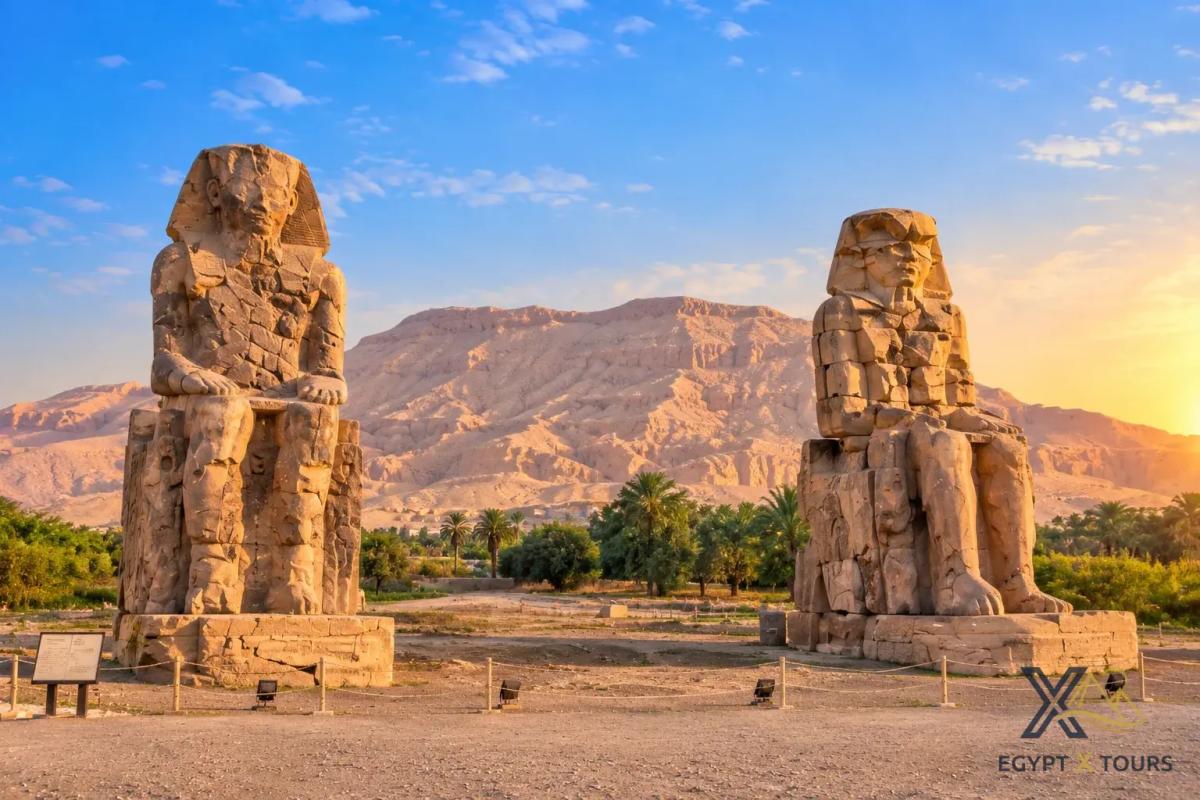
Luxor Museum
Luxor Museum, Museum Luxor Street, Luxor City, Luxor, 81693, Egypt
Travelers' Photos from Google Reviews
1 photos
FAQ
The standard adult ticket price for the Luxor Museum is 300 EGP (approximately $10 USD), with student discounts available for valid ID holders. Tickets must be purchased via contactless card at the venue entrance.
The Luxor Museum is open daily from 9:00 AM to 9:00 PM, including weekends and public holidays, offering a wonderful evening sightseeing option after a hot day at the West Bank tombs.
A typical, thorough visit to the Luxor Museum takes between 1.5 to 2 hours. Because the collection is intentionally curated for quality over sheer quantity, it is compact and easy to navigate without feeling fatigued.
The Luxor Museum is situated on the East Bank of the Nile River along the Khaled Ebn El-Walid Corniche in downtown Luxor, roughly a 15-minute walk north of Luxor Temple.
Yes, licensed Egyptologist tour guides can be hired at the entrance gate to provide deep historical context. Booking your tour through Egypt X Tours ensures an expert, certified guide accompanies you for an enriching experience.
Standard smartphone and handheld camera photography is completely free and permitted inside the museum galleries, provided you turn off your camera flash to protect delicate ancient pigments.
Key highlights include the statues recovered from the 1989 Luxor Temple Cachette, the striking wall blocks from Akhenaten's temple at Karnak, and the royal mummy of Ahmose I.
Yes, the Luxor Museum is fully wheelchair accessible, featuring smooth ramps, wide display corridors, elevators to upper levels, and accessible restroom facilities.
Late afternoon or early evening (between 4:00 PM and 7:00 PM) is the ideal time to visit, as it allows you to escape the midday heat and enjoy a picturesque stroll along the Nile Corniche afterward.
The museum is exceptionally family-friendly due to its manageable size, air-conditioned interior, clear English signage, and captivating statues that easily spark children's curiosity about ancient pharaohs.
While Karnak and Luxor Temples are monumental open-air architectural complexes, the Luxor Museum functions as an art gallery showcasing pristine, museum-quality statues and artifacts in an indoor, climate-controlled setting.
The museum is surrounded by numerous Nile-view restaurants, cafes, and artisan shops along the Corniche, making it easy to enjoy a relaxing meal or coffee after your tour.
Advance booking is generally not required for the Luxor Museum, as lines move quickly and tickets can easily be purchased at the gate using a standard credit or debit card.
While the museum is indoors and air-conditioned, visitors are encouraged to dress respectfully in smart-casual attire that covers shoulders and knees out of cultural respect for local customs.

Egypt X Tours
Author at Egypt X Tours