
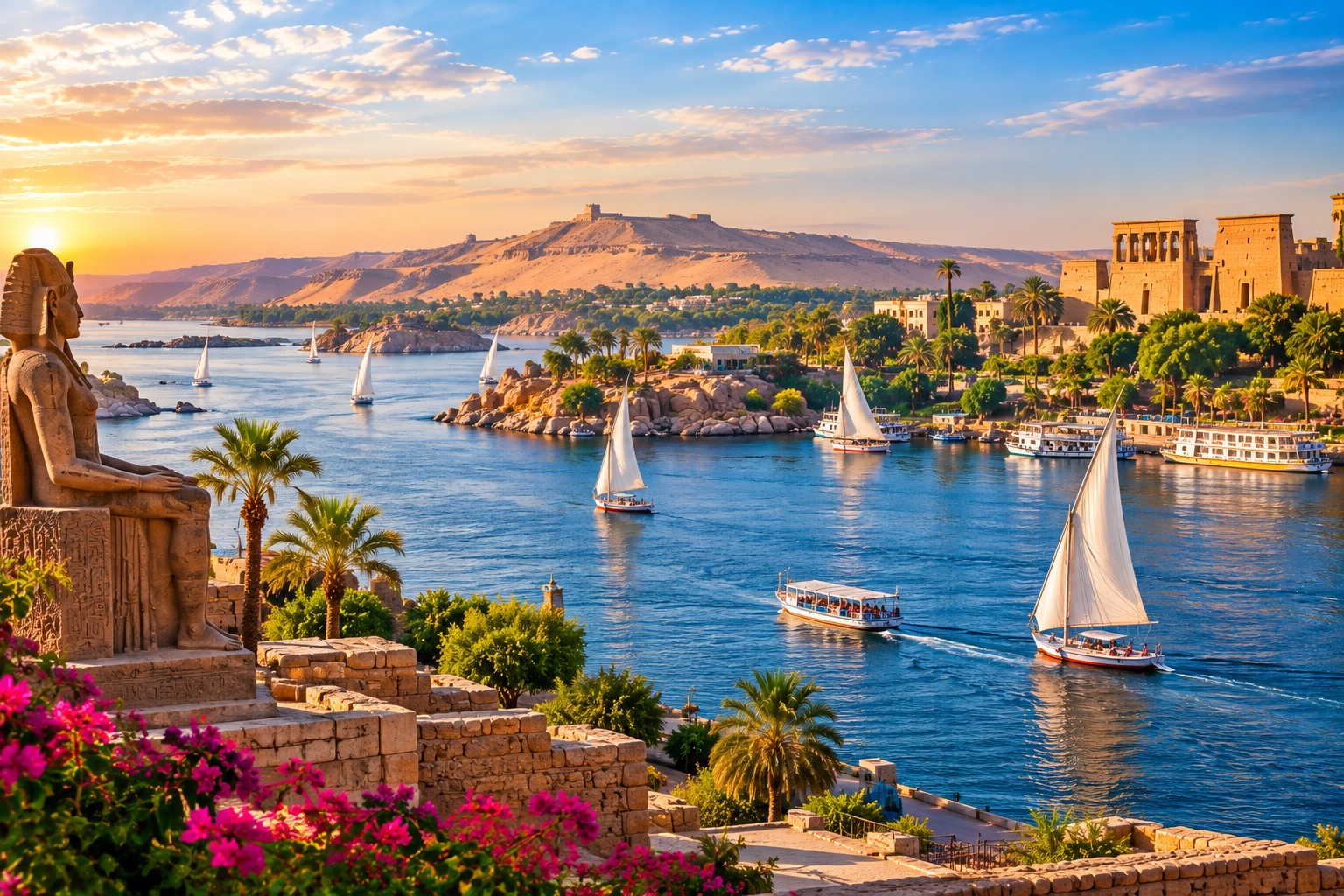
Discover Kalabsha Temple, Nubia's largest freestanding temple, rescued during the UNESCO Nubian salvage campaign. Explore its rich Roman-era history, breathtaking architecture dedicated to Mandulis, and essential travel logistics for your Aswan adventure with Egypt X Tours.
The Ultimate Guide to Kalabsha Temple: History, Logistics
Kalabsha Temple stands as a magnificent testament to ancient Nubian history and international archaeological rescue efforts, situated just south of Aswan on a new island site near the High Dam. As the largest freestanding temple of Roman Nubia, it offers travelers an awe-inspiring journey away from the massive crowds of Luxor while delivering profound historical depth.
Primary Deity: Mandulis (Nubian Sun God)
Dynasty/Era: Roman Period (circa 30 BC – Augustus)
Location: New Kalabsha Island, Aswan, Egypt
Admission Fee: Approximately 100 EGP (subject to change)
Operating Hours: 7:00 AM to 5:00 PM daily
History and Origins of Kalabsha Temple
Kalabsha Temple was originally constructed at Talmis (ancient Kalabsha) around 30 BC during the reign of the Roman Emperor Augustus, built over earlier foundations dating back to Amenhotep II and Ptolemy IX. Dedicated primarily to Mandulis, a local Nubian solar deity equated with Horus and Apollo, the temple served as a vital religious and political center bridging Egyptian and Nubian cultures.
Architecture and Design of the Temple Complex
The architectural layout of Kalabsha Temple exhibits classic pharaonic styling executed with robust Roman engineering precision. Visitors enter through a massive pylon that leads into an open peristyle court, followed by a hypostyle hall featuring intricately carved columns covered in well-preserved reliefs and historical inscriptions, including famous graffiti left by Roman soldiers and Nubian pilgrims.
Key Structural Highlights
The sanctuary complex includes three main zones: the outer court, the hypostyle hall, and the innermost holy of holies where the divine bark of Mandulis once rested. Additionally, the complex features a unique Nilometer used to measure the annual rise and fall of the Nile River, along with a small mamisi (birth house) and a quay leading down to the water.
The UNESCO Nubian Salvage Operation
Between 1961 and 1963, as the waters of Lake Nasser rose due to the construction of the Aswan High Dam, Kalabsha Temple faced complete submergence. Funded by international cooperation, German and Egyptian engineers meticulously dismantled the massive sandstone structure block by block—numbering over 13,000 stone blocks—and reassembled it on higher ground at New Kalabsha Island alongside other rescued monuments like Beit el-Wali and Kertassi.
Practical Logistics: Getting There and Visiting Tips
Visiting Kalabsha Temple requires a short motorboat ride from the Aswan High Dam or Lake Nasser harbor, making it an exclusive excursion typically arranged via private Nile cruises or local felucca/motorboat charters. Wear comfortable walking shoes for uneven stone terrain, carry a wide-brimmed hat, sunglasses, and high-SPF sunscreen, and hire a licensed Egyptologist guide through Egypt X Tours to fully decode the fascinating temple reliefs.
Gallery 1
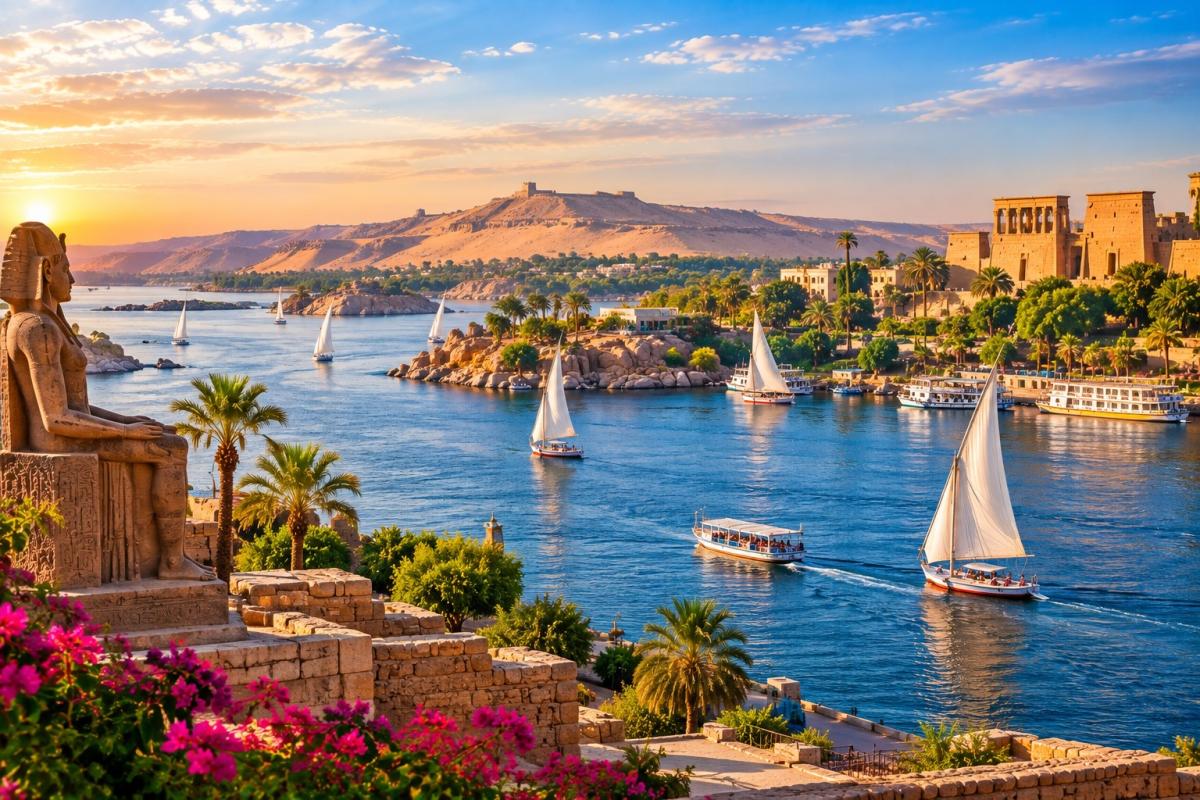
Kalabsha Temple
Travelers' Photos from Google Reviews
290 photos


Google Maps Visitor Reviews
Authentic verified reviews and feedback from visitors
Displaying 581 of 527 total reviews for this location. Explore all remaining traveler reviews directly on Google Maps.
FAQ
Kalabsha Temple is the largest freestanding temple in Roman Nubia, located on New Kalabsha Island just south of the Aswan High Dam in southern Egypt. It is accessible via a short boat ride from the mainland.
Kalabsha Temple was primarily dedicated to Mandulis, a revered Nubian solar deity often associated with the Egyptian god Horus and the Greek god Apollo.
The current temple structure was built around 30 BC during the reign of the Roman Emperor Augustus, though it was constructed on foundations dating back to the New Kingdom and Ptolemaic eras.
The temple was relocated block by block between 1961 and 1963 during the UNESCO Nubian salvage campaign to save it from being submerged by the rising waters of Lake Nasser following the construction of the Aswan High Dam.
Entrance tickets cost approximately 100 EGP for adults, with student discounts available with a valid ID. Tickets can generally be purchased at the site ticket booth or combined with nearby Aswan attractions.
Kalabsha Temple is open daily to visitors from 7:00 AM to 5:00 PM, aligning with standard historical site operating hours in Aswan.
You can reach Kalabsha Temple by hiring a private taxi or booking an excursion with Egypt X Tours to the Aswan High Dam harbor, from where you take a short 10-to-15-minute motorboat ride across the water.
Yes, a visit to New Kalabsha Island typically includes exploring the rock-cut temple of Beit el-Wali and the charming kiosk of Kertassi, making it a comprehensive half-day tour.
Visitors should dress respectfully and comfortably, wearing breathable fabrics, modest attire covering shoulders and knees, and sturdy walking shoes suitable for sandy and rocky temple grounds.
Yes, licensed Egyptologist guides can be booked in advance through Egypt X Tours to provide deep historical context and translate the intricate hieroglyphic reliefs.
While the boat transfer and uneven ancient stone terrain present some challenges, much of the main courtyard and lower platforms are accessible with assistance from local staff and guides.
Yes, standard smartphone and handheld camera photography is permitted throughout the temple grounds without flash; professional video equipment or tripods may require special photography permits.
The optimal time to visit Aswan and Kalabsha Temple is during the cooler winter months between October and April, though early morning visits during warmer months help beat the midday heat.
Basic restroom facilities are available near the dock area, but dining options are limited, so visitors are advised to bring bottled water and snacks or dine in Aswan city before or after the tour.

Egypt X Tours
Author at Egypt X Tours